Advanced Wound Therapies
Delivered to You
Our mobile wound care team uses a full spectrum of advanced therapies tailored to each patient’s wound type, comorbidities, and goals of care. By bringing these treatments into the home, we help patients heal faster, avoid hospitalizations, and maintain independence.
Advanced Mobile Wound Care
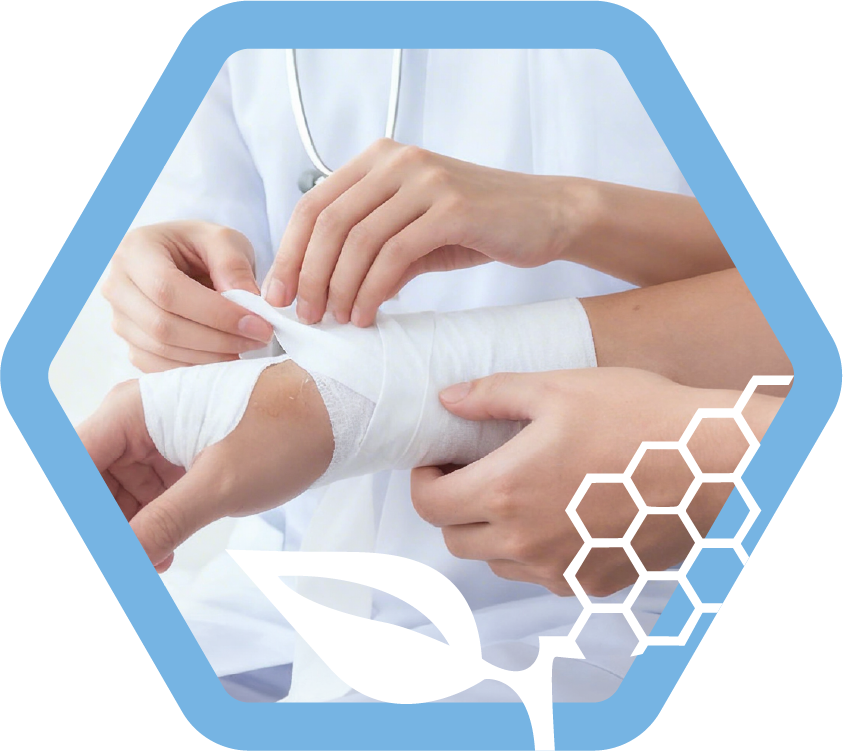
Advanced mobile wound care allows patients to receive high-quality treatment without leaving their home, assisted living community, or care facility. Our clinical team brings hospital-level wound care directly to the patient, reducing the need for transportation and minimizing interruptions in treatment. This approach is especially valuable for individuals with limited mobility, chronic conditions, or complex wounds that require consistent monitoring.
By delivering care in the patient’s environment, we improve adherence to treatment plans and help reduce complications, hospitalizations, and delays in healing. Our team works closely with physicians, nurses, and care providers to ensure every patient receives coordinated, timely, and personalized wound care.
By delivering care in the patient’s environment, we improve adherence to treatment plans and help reduce complications, hospitalizations, and delays in healing. Our team works closely with physicians, nurses, and care providers to ensure every patient receives coordinated, timely, and personalized wound care.
Non-Contact Ultrasonic Wound Debridement
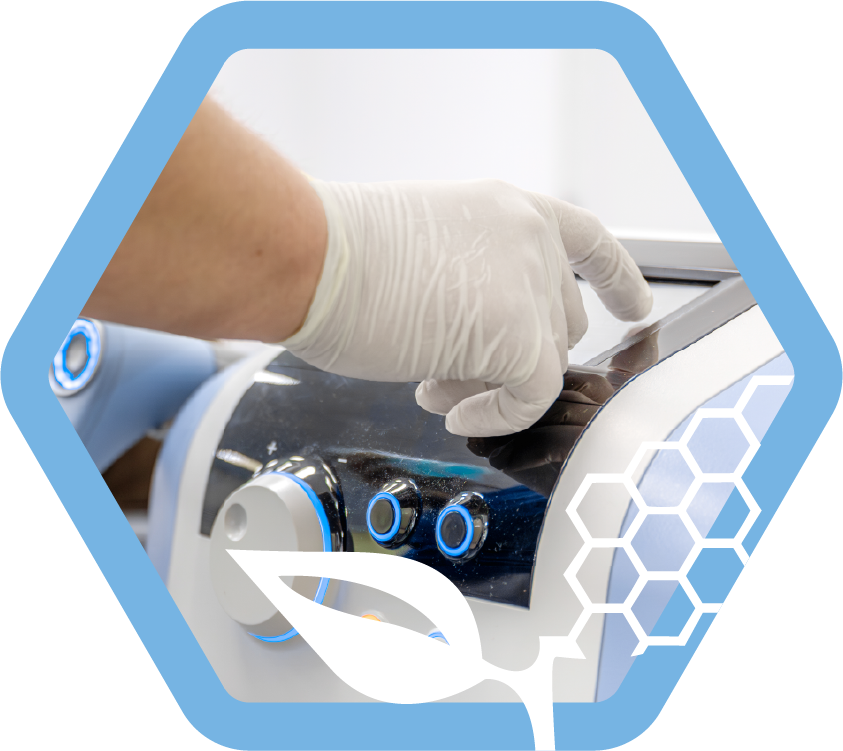
Non-contact ultrasonic wound debridement is an advanced treatment that uses low-frequency ultrasound energy to remove non-viable tissue, bacteria, and debris from the wound bed. Unlike traditional methods, this approach is gentle and precise, helping preserve healthy tissue while preparing the wound for healing.
This method supports faster healing by improving circulation and reducing bacterial load, all while minimizing discomfort for the patient. It is especially beneficial for patients with sensitive wounds or those who may not tolerate more aggressive debridement techniques.
This method supports faster healing by improving circulation and reducing bacterial load, all while minimizing discomfort for the patient. It is especially beneficial for patients with sensitive wounds or those who may not tolerate more aggressive debridement techniques.
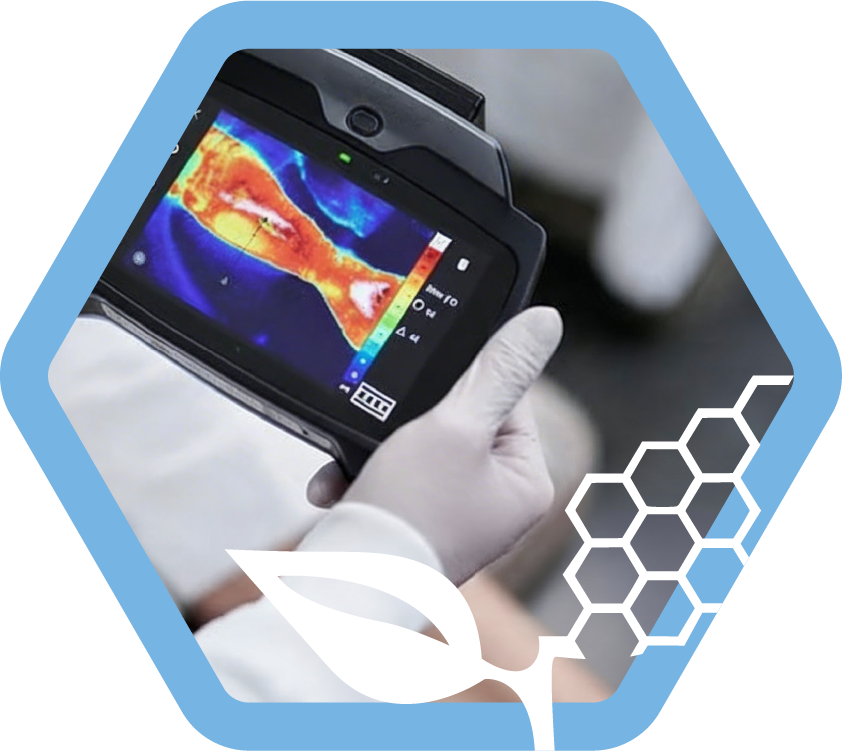
Advanced Diagnostic Imaging
Accurate wound assessment is critical to effective treatment, and advanced diagnostic imaging allows our clinicians to evaluate wounds in greater detail. This technology helps identify underlying tissue damage, measure wound depth, and monitor healing progression over time.
By using advanced imaging tools, we can make more informed clinical decisions and adjust treatment plans as needed. This leads to more precise care, improved outcomes, and better communication with referring providers and care teams.
By using advanced imaging tools, we can make more informed clinical decisions and adjust treatment plans as needed. This leads to more precise care, improved outcomes, and better communication with referring providers and care teams.
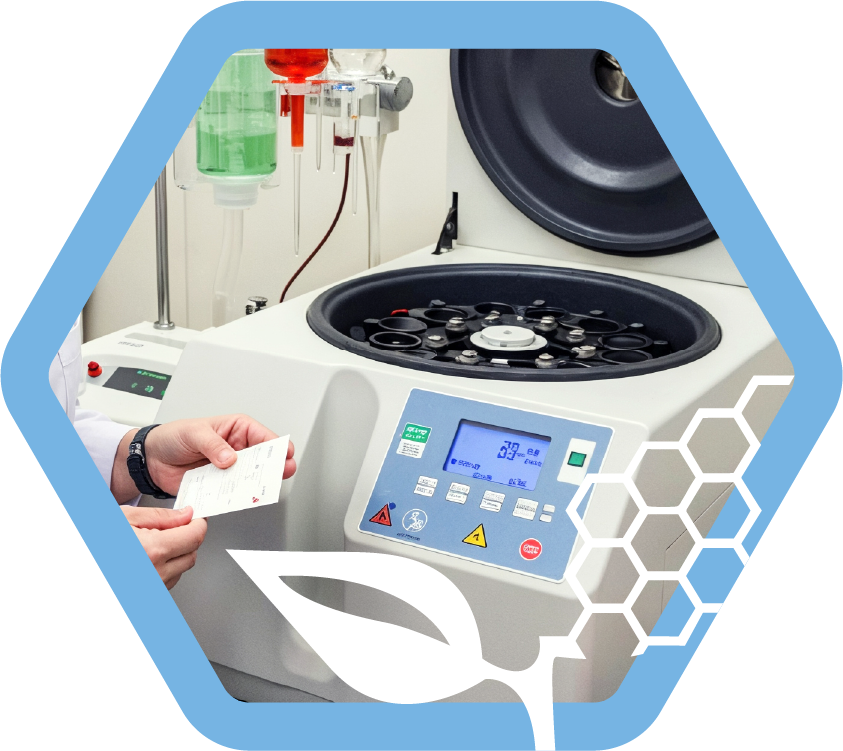
Platelet-Rich Plasma (PRP) Therapy
Platelet-Rich Plasma (PRP) therapy uses the patient’s own blood components to stimulate natural healing at the wound site. By concentrating platelets and growth factors, PRP supports tissue regeneration and accelerates the body’s healing process.
This therapy is often used for chronic or slow-healing wounds and can be an effective option when traditional treatments have not produced the desired results. PRP is a natural, biologically driven approach that enhances recovery while working in alignment with the patient’s own healing mechanisms.
This therapy is often used for chronic or slow-healing wounds and can be an effective option when traditional treatments have not produced the desired results. PRP is a natural, biologically driven approach that enhances recovery while working in alignment with the patient’s own healing mechanisms.
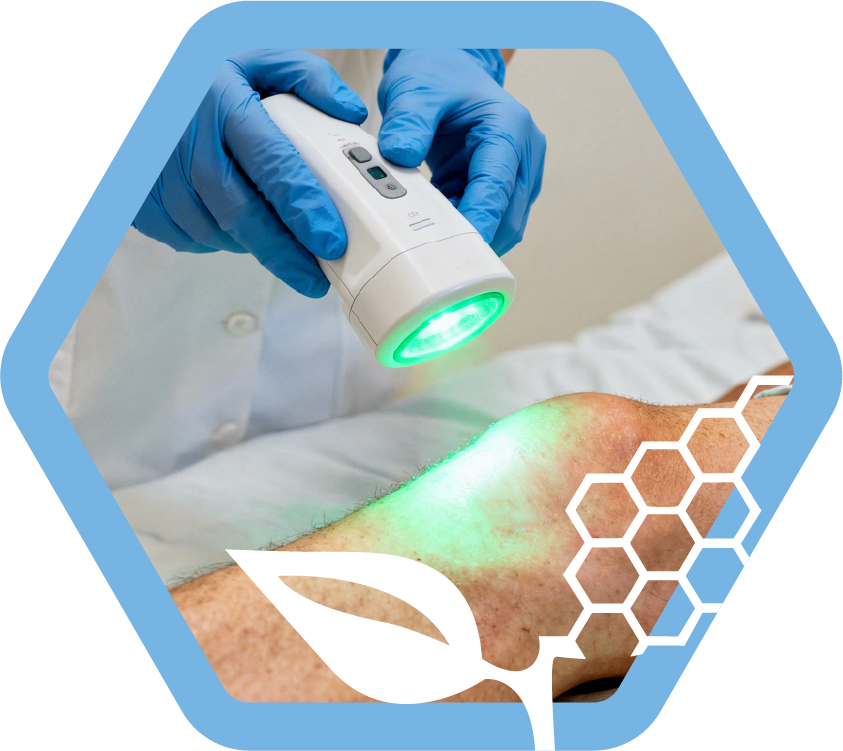
Fluorescence Diagnostic Imaging
Fluorescence diagnostic imaging is a specialized tool that helps detect bacterial presence in wounds that may not be visible during a standard visual exam. By identifying infection early, clinicians can take targeted action to prevent complications and support proper healing.
This technology improves accuracy in wound care treatment and helps guide more effective interventions. It allows our team to make data-driven decisions and ensures that patients receive timely and appropriate care for better outcomes..
This technology improves accuracy in wound care treatment and helps guide more effective interventions. It allows our team to make data-driven decisions and ensures that patients receive timely and appropriate care for better outcomes..
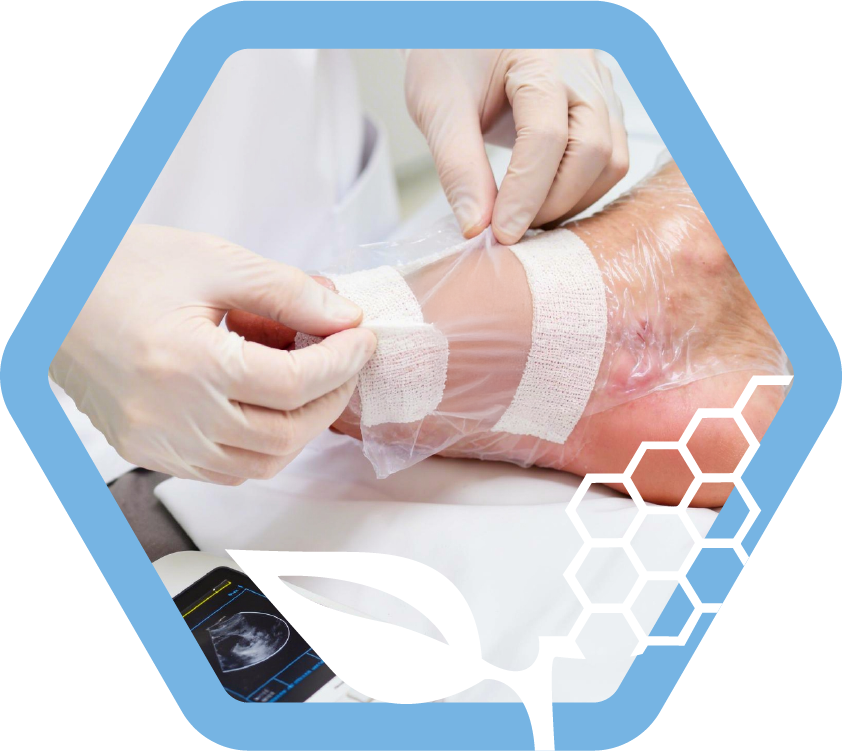
Negative Pressure Wound Therapy
Negative Pressure Wound Therapy (NPWT) is a proven method used to promote healing in complex or chronic wounds. This treatment uses controlled suction to remove excess fluid, reduce swelling, and encourage the growth of healthy tissue.
NPWT is commonly used for surgical wounds, pressure injuries, and large or non-healing wounds. By creating an optimal healing environment, this therapy helps speed recovery, reduce infection risk, and improve overall wound outcomes.
NPWT is commonly used for surgical wounds, pressure injuries, and large or non-healing wounds. By creating an optimal healing environment, this therapy helps speed recovery, reduce infection risk, and improve overall wound outcomes.
All therapies are delivered under physician‑supervised protocols and aligned with national wound care guidelines.
Our clinicians document every visit in a secure EMR and share updates with your care team as needed.
Our clinicians document every visit in a secure EMR and share updates with your care team as needed.